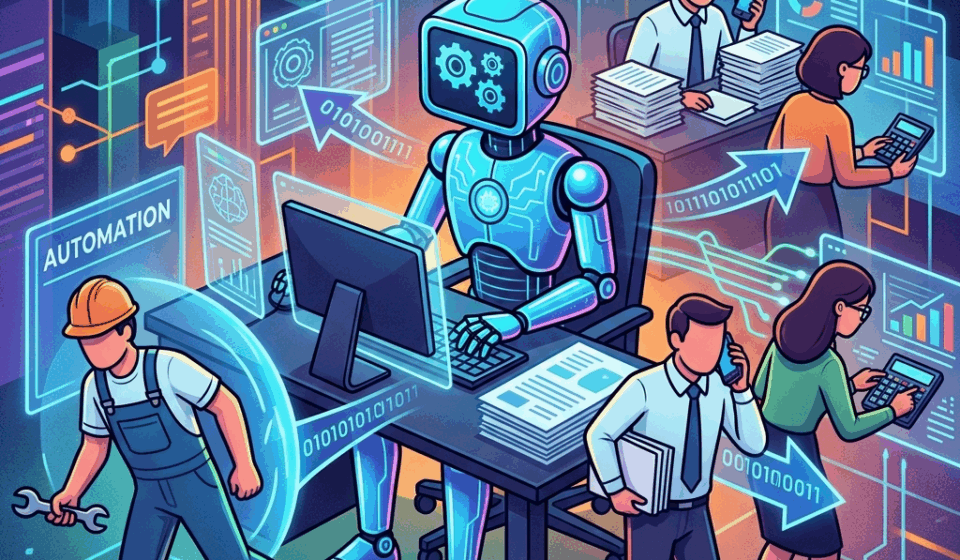
As of April 2026, the technology and entertainment industries are undergoing a massive structural shift, moving away from post-pandemic growth toward a lean, AI-first operational model.
Current Industry Landscape
In the first quarter of 2026 alone, tech companies have cut over 104,000 jobs, a pace that could surpass 330,000 by year-end. Major firms like Oracle (30,000 roles) and Amazon (16,000 roles) lead this wave, often citing the need to reallocate billions of dollars toward AI infrastructure and automated workflows. [1, 2, 3, 4]
Simultaneously, WWE (under TKO Group) has just conducted its annual “spring cleaning” following WrestleMania 42. High-profile releases on April 24, 2026, included veterans like Aleister Black, Kairi Sane, and the entire “Wyatt Sicks” faction, as the company prioritizes “corporate efficiency” and roster restructuring. [5, 6, 7, 8]
Multi-Layered Impacts
The consequences of these “rolling layoffs” ripple across three key groups:
- People (Employees): Displaced workers face a “new employability crisis” where 56% fear their skills are becoming irrelevant in an AI-dominated market. Remaining staff report increased workloads, “change fatigue,” and a permanent erosion of trust in leadership. [9, 10, 11]
- Customers: While companies promise faster services via AI, frequent restructuring can lead to “innovation friction,” where long-term product roadmaps are abandoned, and customer service quality fluctuates during transitions. [9, 12]
- Employers: Organizations risk significant brand damage; 46% of workers now consider recording and sharing their layoff experience publicly. This “reputational aftershock” makes it harder to attract top talent when hiring eventually resumes. [9, 10, 13, 14, 15]
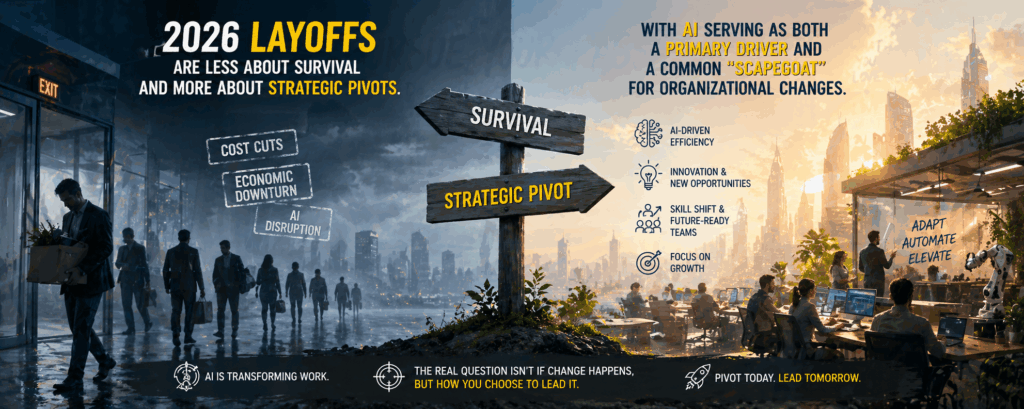
💡 Key Takeaway: 2026 layoffs are less about survival and more about strategic pivots, with AI serving as both a primary driver and a common “scapegoat” for organizational changes. [4, 16]
Analysis
To thrive in an AI-first market, focus on human-centric skills that machines cannot replicate. Prioritize AI literacy—learning to “prompt” and manage AI tools to automate routine tasks, which increases your throughput.
Cultivate high-level critical thinking and strategic oversight to audit AI outputs for bias or errors. Additionally, double down on emotional intelligence and complex communication; these are vital for leadership and client relations. Finally, adopt a “perpetual learner” mindset. Regularly update your technical stack to ensure your niche remains relevant as automation shifts industry standards. The goal isn’t to compete with AI, but to direct it.

Personal Note from the Editor
I have experienced too many times in my life the need to switch careers or jobs for one reason or another. It’s never easy or pleasant. In some of the times I moved up to a better job, in others I had to step down. During these times I found myself looking inward, and asking myself what I really wanted to do going forward. What would I really enjoy doing at this point in my life. I started there, and things worked out afterwards. Its important to evaluate your needs, change what you can to survive, set a plan, and move forward with it when you are ready. AI can replace a job or task, but it really can’t ever replace you, because you are one of a kind. Never forget that. -JA
[5] https://m.economictimes.com
[7] https://www.firstcomicsnews.com
[8] https://nodq.com
[10] https://www.lhh.com
[11] https://www.cnbc.com
[13] https://norfolkdailynews.com