
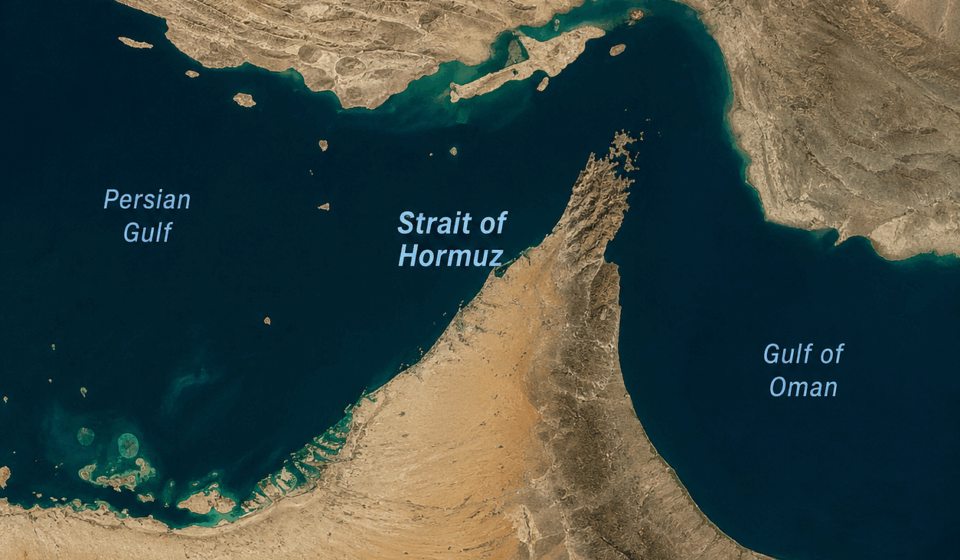
The Strait of Hormuz
The Strait of Hormuz is arguably the most vital maritime chokepoint in the world. This narrow stretch of water connects the Persian Gulf to the Gulf of Oman and the Arabian Sea, serving as the primary artery for the global energy market. At its narrowest point, the strait spans only about 21 miles, with shipping lanes in either direction measuring just two miles wide.
The strategic significance of the strait lies in its volume. Approximately one-fifth of the world’s total oil consumption passes through these waters daily. This includes the vast majority of crude oil exports from Saudi Arabia, the United Arab Emirates, Kuwait, Iraq, and Iran. Furthermore, a significant portion of the world’s liquefied natural gas (LNG) from Qatar relies on this single exit point. Because there are few viable land-based pipeline alternatives that can handle such immense capacity, any disruption to the strait’s flow can cause immediate spikes in global energy prices and threaten international economic stability.
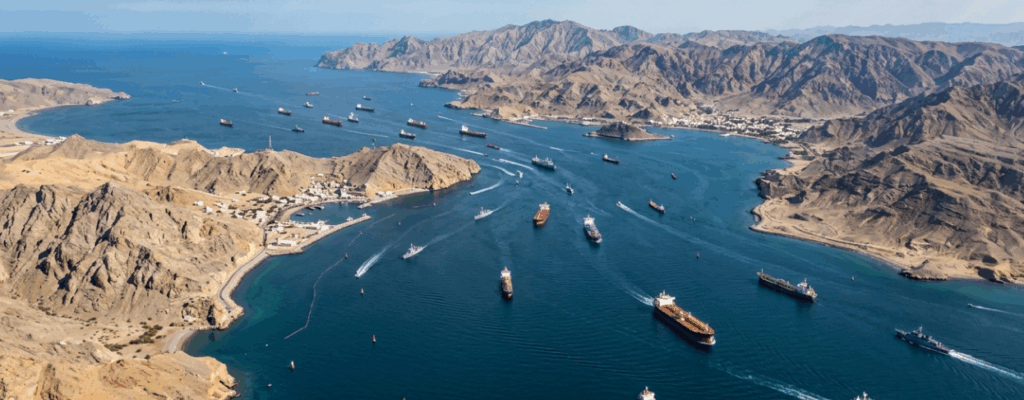
Beyond economics, the strait is a focal point of intense geopolitical tension. Bordered by Oman to the south and Iran to the north, the waterway is frequently a theater for military posturing. International law dictates that ships have the right of “transit passage” through these territorial waters, but regional conflicts often lead to threats of closure or interference with commercial tankers. The presence of international naval task forces remains a constant necessity to ensure the freedom of navigation.
Ultimately, the Strait of Hormuz is more than a geographical feature; it is the heartbeat of the global oil trade. Its status as a fragile bottleneck ensures that it remains at the top of the agenda for world leaders and security experts. As long as the global economy remains dependent on fossil fuels, this small strip of blue water will continue to carry immense weight in international affairs.