Iran Conflict: Ceasefire and Negotiations
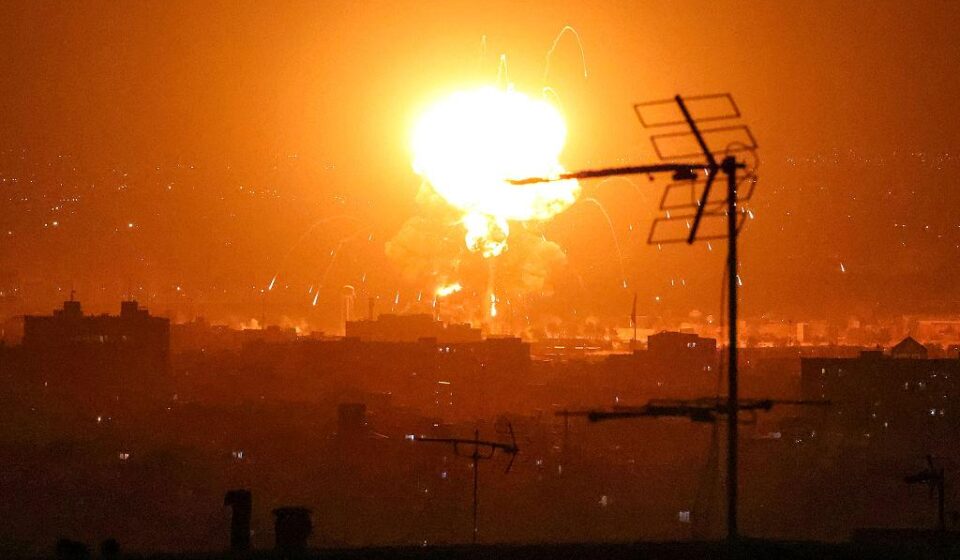
As of April 9, 2026, the conflict involving the United States, Israel, and Iran has reached a critical and highly unstable turning point. Following over forty days of intensive warfare, a fragile two-week ceasefire was officially enacted yesterday, April 8, narrowly averting a further “civilizational” escalation threatened by the U.S. administration.

Current Conflict Status
- Two-Week Ceasefire: A temporary two-week truce was officially enacted on April 8, 2026, mediated by Pakistan. While the U.S. and Iran have agreed to the pause, Israel has clarified that its operations against Hezbollah in Lebanon—such as the recent “Operation Eternal Darkness”—are not covered by the agreement.
- The Strait of Hormuz: A central condition of the truce is the reopening of the Strait of Hormuz. Iran has faced immense pressure to restore global oil flow after President Trump threatened to target Iranian civilian infrastructure if the waterway remained blocked.
- Upcoming Negotiations: Diplomatic talks are scheduled to begin this week in Islamabad, where mediators will attempt to turn the pause into a 45-day framework for a more permanent settlement regarding Iran’s nuclear program and regional proxies.
Key Military Milestones
- Operation Epic Fury: The war began on February 28, 2026, with a massive joint U.S.-Israeli strike campaign targeting Iran’s nuclear facilities, missile sites, and leadership.
- Regional Impact: Iranian retaliatory strikes have hit U.S. bases and energy infrastructure across the UAE, Kuwait, and Qatar, leading to significant economic disruption and civilian casualties in the Gulf.
- Cyber & AI Warfare: This conflict has been notable for the heavy use of generative AI and deepfakes by both sides to influence public perception and spread misinformation regarding battlefield outcomes.
Economic & Humanitarian Outlook
The ACLED Middle East Overview notes that while the ceasefire has temporarily lowered oil prices, the region faces a “monumental” recovery phase. The Iranian leadership is currently navigating internal instability following the strikes, while neighboring Gulf states are advocating for a return to the status quo to prevent total economic contraction.
Analysis
Despite a two-week ceasefire enacted on April 8, 2026, the path toward a permanent resolution remains elusive. While the U.S. and Iran have paused direct hostilities, fundamental disagreements persist regarding Iran’s nuclear program and regional proxies.
Israel has explicitly excluded its campaign against Hezbollah from the truce, continuing strikes in Lebanon that threaten to collapse the fragile peace. Furthermore, while the Strait of Hormuz is set to reopen, the underlying issues—including Iranian leadership instability and demands for war reparations—remain unresolved. With both sides dug into opposing strategic positions, this “pause” appears more like a tactical reset than a definitive end.